From Industry Challenge to Innovation: Why We Built PlanCheckPro.AI

From Industry Challenge to Innovation: Why We Built PlanCheckPro.AI What happens when the people experiencing the problem decide to solve it themselves? That was one of the key conversations shared during a recent panel discussion hosted by South Florida Business Journal, where industry leaders spoke openly about the realities of building and scaling businesses, navigating challenges, and creating solutions that truly make an impact. During the discussion, Mr. Wesley Foster, CEO of Pacifica Engineering Services and founder of PlanCheckPro.AI, shared the story behind why PlanCheckPro.AI was created in the first place. And it did not begin as a tech idea. It began with a problem the team kept seeing over and over again in real projects. The Problem Was Already There In construction and development, time matters. Every delay affects schedules, budgets, coordination, financing, and momentum. Yet one part of the process has continued to slow projects down for years: Plan review. For developers, architects, engineers, and contractors, the review process can often feel frustratingly slow and unpredictable. Teams spend weeks waiting for comments, revisions, approvals, or responses before projects can move forward. And in many cases, issues discovered during plan review could have been identified much earlier. At Pacifica Engineering Services, this was not just something the team heard about. It was something they experienced firsthand while working in engineering, inspections, permitting, and construction support every day. They saw how much time was being lost because of manual workflows, missing details, coordination gaps, and repetitive review cycles. Eventually, the question became: What if there was a better way? Building a Solution for a Real Industry Bottleneck PlanCheckPro.AI was not created to follow a trend. It was created to solve a real operational problem inside the construction industry. During the South Florida Business Journal panel, Mr. Foster explained that the goal was simple: Reduce friction. Improve speed. Help teams move projects forward faster. The idea was never about replacing architects, engineers, or reviewers. It was about helping them work more efficiently by identifying issues earlier in the process. That is where AI plan review entered the conversation. Instead of waiting weeks for traditional review cycles, teams could upload plans and receive intelligent feedback in a fraction of the time. What once could take weeks through traditional workflows could now be reviewed in less than an hour. That shift changes more than speed. It changes how teams plan, coordinate, and solve problems before they become expensive delays. Why Faster Plan Review Matters Construction projects involve countless moving parts. Architectural plans, structural drawings, MEP coordination, code compliance, permitting requirements, owner expectations, contractor pricing, inspections, and field execution all depend on accurate and coordinated information. When issues are discovered late, the impact grows quickly. Projects can face: Permit delays Additional revisions RFIs during construction Inspection comments Change orders Budget impacts Scheduling disruptions The earlier problems are identified, the easier they are to solve. That is one of the reasons AI-driven construction plan review is becoming increasingly valuable across the industry. By reviewing plans earlier in the process, teams gain visibility before projects move deeper into permitting and construction. Innovation Should Remove Friction One of the strongest points shared during the panel discussion was a simple but important idea: Real innovation should solve real problems. Not create more complexity. Not generate unnecessary noise. And not exist simply for the sake of technology. The purpose of PlanCheckPro.AI was always rooted in making the construction process smoother for the people working through it every day. That includes helping teams: Reduce revision cycles Improve design coordination Identify missing information earlier Streamline permit preparation Reduce delays before construction begins Improve communication between disciplines In many ways, the platform was built from practical industry experience rather than theory. Because the people behind it understood the pain points firsthand. AI Is Reshaping the Future of Construction Workflows The construction industry has historically been slower to adopt new technology compared to other industries. But that is changing quickly. Today, developers, architects, engineers, contractors, and municipalities are increasingly looking for smarter ways to manage growing project complexity and tighter timelines. AI plan review software is becoming part of that evolution. Modern construction technology software now has the ability to support: Architectural plan review Engineering drawing review Code compliance analysis NEC compliance review NFPA compliance review Pre-construction planning Permit review workflows Design coordination The goal is not to replace professional expertise. The goal is to help professionals make faster, more informed decisions with better visibility earlier in the process. The Construction Industry Cannot Afford Unnecessary Delays As cities continue growing and development accelerates nationwide, permitting and review bottlenecks are becoming more noticeable. Projects are larger. Codes are more complex. Coordination between disciplines is more demanding than ever. And owners expect faster delivery timelines. Traditional manual-only review systems are increasingly under pressure. That is why the industry is actively exploring AI-assisted solutions that can help improve efficiency without sacrificing quality or oversight. Platforms like PlanCheckPro.AI are helping teams move toward more proactive workflows where issues can be identified before they create downstream problems. Built by Industry Professionals Who Understand the Work One reason PlanCheckPro.AI continues gaining attention is because it was developed by professionals who already work inside the construction and permitting space. The platform was built from real project experience. That perspective matters. Because construction technology only becomes valuable when it aligns with how projects actually move in the real world. The system was designed to support: Developers Architects Engineers Contractors Permit applicants Municipal workflows By combining industry knowledge with AI capabilities, the goal is to create faster, clearer, and more scalable review processes for modern construction teams. The Work Continues One of the most meaningful parts of the South Florida Business Journal conversation was the reminder that innovation is never truly finished. There is always another challenge to solve. Another workflow to improve. Another opportunity to remove friction from the process. The construction industry continues evolving rapidly, and technology will play an increasingly important role in helping teams adapt to growing
How AI and Adaptive Coastal Cities Are Shaping the Future of Urban Development

How AI and Adaptive Coastal Cities Are Shaping the Future of Urban Development What role will AI play in the future of coastal cities? As climate pressures, rapid urban growth, infrastructure demands, and resiliency challenges continue to reshape cities across the United States, one question is becoming increasingly important: How can technology help cities adapt faster, build smarter, and plan more efficiently for the future? That conversation took center stage at Tomorrow.City USA during the panel discussion: Adaptive Coastal Cities: AI and Urbanism for a Rising Future Mr. Wesley Foster, CEO of Pacifica Engineering Services and founder of PlanCheckPro.AI, was proud to participate in the discussion alongside Tiffany Troxler, with the conversation led by Andrew Quarrie. The panel explored how artificial intelligence, smarter infrastructure planning, and modern construction technology are transforming the future of urban development, particularly in coastal regions facing increasing environmental and population pressures. It was an important conversation with one clear takeaway: The future of resilient cities will depend heavily on smarter planning, faster decision-making, and better coordination powered by AI. Why Coastal Cities Face Increasing Pressure Cities across Florida and other coastal regions are experiencing unprecedented growth. At the same time, municipalities, developers, architects, engineers, and contractors are navigating growing challenges tied to: Rising sea levels Aging infrastructure Increased construction demand Population growth Permit backlogs Housing shortages More complex building codes Climate resiliency requirements As urban development accelerates, traditional workflows are struggling to keep pace with the speed and complexity of modern projects. The result is often: Delayed permitting Increased revision cycles Coordination conflicts Construction delays Rising project costs Strain on municipal review departments This is where AI and construction technology software are beginning to create new opportunities. AI Is Becoming a Critical Tool for Smarter Urban Development During the Tomorrow.City USA panel, discussions focused on how AI can support smarter, more adaptive cities through better planning, improved efficiency, and stronger coordination across the built environment. Artificial intelligence is already helping industries analyze massive amounts of information faster than traditional manual processes alone. In the construction and permitting space, that translates into opportunities to improve: AI plan review Code compliance analysis Permit review workflows Infrastructure coordination Pre-construction planning Building data analysis Risk identification Design coordination Project communication As cities continue growing vertically and horizontally, the need for faster and more scalable review systems becomes increasingly important. Why Faster Plan Review Matters for Growing Cities One of the major challenges facing municipalities today is the increasing volume of construction projects entering the permit approval process. Many jurisdictions are dealing with: Staffing shortages Increased permit submissions More complex mixed-use developments Tight development timelines Expanding code requirements Traditional manual-only review processes can create bottlenecks that slow down projects and impact economic growth. AI plan review platforms like PlanCheckPro.AI are helping address these challenges by enabling faster preliminary analysis of construction documents before formal submission. This helps project teams identify issues earlier and improve plan quality before plans reach permitting departments. Smarter Pre-Construction Planning Reduces Future Problems One key topic discussed during the panel was the importance of proactive planning. In rapidly growing coastal cities, decisions made during pre-construction have long-term impacts on: Infrastructure resilience Public safety Project timelines Building performance Sustainability Cost control AI-driven construction plan review allows teams to identify missing details, conflicts, and potential compliance concerns earlier in the process. That proactive approach can help reduce: RFIs Revisions Resubmittals Field conflicts Inspection issues Delays during construction The earlier issues are identified, the easier and less expensive they are to resolve. Technology Is Reshaping the Permit Approval Process As cities modernize, permitting technology is becoming an increasingly important part of urban development strategy. Construction teams today are looking for tools that provide: Faster feedback Better coordination Improved visibility Clear code-based comments More efficient communication PlanCheckPro.AI was built specifically to support these evolving industry needs. The platform helps architects, engineers, developers, contractors, and municipalities streamline construction plan review through AI-assisted analysis designed to improve speed and clarity during the permit review process. AI Supports Collaboration Across the Entire Project Team Another major theme discussed during the Tomorrow.City USA panel was collaboration. Modern urban projects involve coordination between multiple stakeholders, including: Developers Architects Engineers Contractors Municipal departments Infrastructure consultants Owners Inspectors When communication gaps occur, projects often experience delays, redesigns, and costly changes later in construction. AI tools are helping bridge some of these coordination gaps by providing centralized visibility into plan issues earlier in the workflow. For example, AI plan review software can help teams identify: Missing information Discipline conflicts Incomplete details Accessibility concerns MEP coordination issues Life safety considerations NEC compliance review items NFPA compliance review concerns This creates a more proactive review process before projects move deeper into construction. Adaptive Cities Require Smarter Infrastructure Decisions Coastal cities face unique infrastructure pressures that require long-term planning and resilience-focused design. As discussions at Tomorrow.City USA highlighted, adaptive urbanism is not only about building faster. It is about building smarter for future conditions. That includes: Resilient infrastructure Efficient permitting systems Sustainable urban growth Better mobility planning Smarter building technologies More coordinated development strategies Technology and AI are expected to play an increasingly important role in helping cities adapt to these changing demands. The Construction Industry Is Entering a New Era The AEC industry is rapidly evolving. Firms that embrace AI-driven workflows are beginning to gain advantages in: Speed Coordination Efficiency Risk reduction Project visibility Permit readiness At the same time, municipalities are exploring ways to modernize operations and improve how projects move through review and approval processes. This shift is creating significant opportunities for smarter construction technology platforms designed specifically for real-world permitting and development challenges. Built by Professionals Who Understand Construction and Permitting One of the reasons PlanCheckPro.AI continues to gain industry attention is because it was developed by professionals with direct experience in engineering, inspections, permitting, and construction workflows. The platform was designed to support practical industry needs, not theoretical concepts. That real-world understanding helps teams: Improve plan quality Reduce revision cycles Increase coordination Accelerate review timelines
How Developers, Architects, and Contractors Are Using AI Plan Review Earlier Than Ever Before
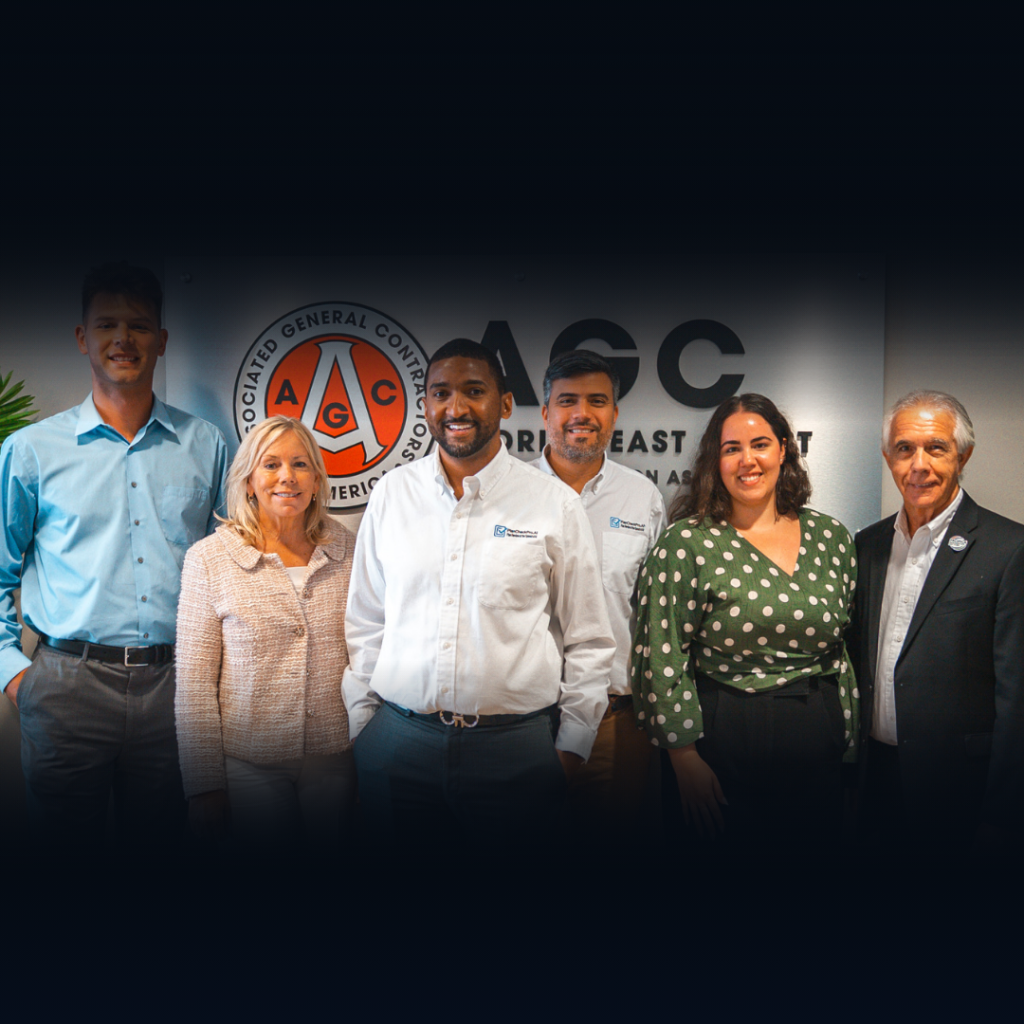
How Developers, Architects, and Contractors Are Using AI Plan Review Earlier Than Ever Before Why are construction teams using AI plan review before permit submission? That was one of the biggest topics discussed when Mr. Wesley Foster, CEO of Pacifica Engineering Services and founder of PlanCheckPro.AI, spoke at AGC Florida East Coast Chapter during a Lunch & Learn focused on the future of construction technology, permitting, and pre-construction coordination. The discussion highlighted a major shift happening across the construction industry. Developers, architects, and general contractors are no longer waiting until formal permit review to discover costly issues in their plans. Instead, many teams are now using AI plan review technology earlier in the design process to identify missing details, code conflicts, coordination issues, and constructability concerns before projects reach the permit desk or jobsite. As construction schedules tighten and project costs continue to rise, the ability to catch issues earlier is becoming a competitive advantage. AI Plan Review Is Changing Pre-Construction Workflows Traditionally, many plan issues are discovered late in the process: During municipal permit review During contractor bidding During GMP negotiations During RFIs in construction During inspections in the field Each late-stage discovery creates delays, revisions, change orders, and additional costs. Today, construction teams are increasingly using AI plan review software to shift those discoveries much earlier in the workflow. During the AGC Florida East Coast presentation, Mr. Foster explained how developers are already leveraging the platform during early construction document phases. “Developers are loading plans into the platform at 50% or 80% CDs and getting comments back the same day or by the next morning.” Instead of waiting weeks for formal feedback, teams can immediately begin correcting issues while design is still evolving. This proactive approach helps reduce revisions in construction plans and improves coordination before submission. Developers Are Catching Hundreds of Issues Before Submission One of the most powerful examples shared during the discussion involved developers reviewing incomplete or progressing CD sets through PlanCheckPro.AI. Rather than waiting until permit review exposes deficiencies, developers are now identifying potential problems during active design development. How the Workflow Looks Step 1: Upload Current Drawing Set Developers upload architectural, structural, mechanical, electrical, and plumbing sheets into the platform. Step 2: AI Reviews the Plans The system performs an AI plan review against applicable building codes, design coordination requirements, and discipline-specific checks. Step 3: Receive Actionable Comments Within hours or the next business day, teams receive code-based comments and review findings. Step 4: Send Corrections Back to Design Teams Designers can immediately begin addressing conflicts, missing information, and compliance gaps before final CDs are issued. This process allows project teams to avoid pushing incomplete documents further downstream into permitting and construction. Architects Are Using AI Before Owners Ever See the Plans Another major takeaway from the AGC discussion was how architects are integrating AI-driven construction plan review into internal quality control workflows. Instead of waiting for owners, municipalities, or consultants to identify issues, firms are running internal reviews before major submissions occur. Why This Matters Architectural teams face increasing pressure to: Deliver faster timelines Reduce revision cycles Improve coordination Maintain code compliance Minimize permitting delays Using permit review software earlier in the process allows firms to identify issues while corrections are still manageable and cost-effective. According to Mr. Foster, many architects are already using PlanCheckPro.AI to review plans internally and send comments directly back to their teams before owner presentations or permit submission. That means fewer surprises later in the process and more confidence moving into final documentation phases. General Contractors Are Using AI Before GMP General contractors are also beginning to use AI plan review software during pre-construction and GMP negotiations. This may become one of the most impactful applications of the technology. Before signing a Guaranteed Maximum Price (GMP), contractors are loading plan sets into the system to identify: Missing details Scope gaps Coordination conflicts Potential code issues Incomplete documentation Constructability concerns This allows GCs to have clearer conversations with owners before pricing and contracts are finalized. Why Early Visibility Matters As Mr. Foster explained during the presentation: “It’s either going to get caught in plan review or get caught in construction.” That statement reflects one of the biggest realities in construction today. If issues are not identified during design or permit review, they often surface later through: RFIs Field conflicts Inspection failures Change orders Construction delays Budget increases Finding those issues earlier creates significant value for both owners and contractors. Reducing RFIs Starts Before Construction Begins One of the strongest benefits discussed at the AGC Florida East Coast event was the reduction of RFIs through earlier plan analysis. Requests for Information often happen because: Details are missing Drawings conflict Specifications are unclear Disciplines are uncoordinated Critical information was overlooked AI plan review helps identify many of these issues before construction even begins. Instead of discovering missing information in the field, project teams can address gaps during pre-construction planning. The Result Earlier visibility can help teams: Reduce RFIs Reduce rework Reduce costly revisions Improve consultant coordination Accelerate permit approvals Improve construction efficiency This is particularly valuable on large commercial projects where delays can impact schedules, financing, procurement, and labor coordination. AI Plan Review Supports Faster, Smarter Decision Making The construction industry has traditionally relied on manual review processes that can take days or weeks depending on project size and jurisdiction. AI-driven permit review software introduces a different approach. Instead of relying exclusively on manual reviews, teams can now receive rapid feedback that helps prioritize corrections and identify risk areas early. PlanCheckPro.AI Helps Teams Review Architectural plans Structural drawings MEP systems Accessibility considerations Life safety requirements NEC compliance review NFPA compliance review Coordination issues Missing documentation The platform is designed to support developers, architects, engineers, contractors, and municipalities looking to improve efficiency during the permit approval process. The Industry Is Moving Toward Earlier Coordination The conversation at AGC Florida East Coast reflected a broader shift happening throughout the AEC industry. Construction teams are recognizing that the earlier issues are identified,
PlanCheckPro.AI Expands Nationwide as the #1 AI Plan Review Software Across All 50 States

PlanCheckPro.AI Expands Nationwide as the #1 AI Plan Review Software Across All 50 States AI Driven Construction Plan Review Platform Helps Architects, Engineers, Contractors, Developers, and Municipalities Reduce Delays and Improve Code Compliance Before Submission MIAMI, FLORIDA — May 2026 — PlanCheckPro.AI, an advanced AI plan review platform built for the construction and permitting industry, is now officially available across all 50 U.S. states. Designed to support architects, engineers, contractors, developers, and municipalities, the platform delivers fast, code focused construction plan review solutions intended to help teams reduce revisions, improve submission quality, and streamline the permit approval process. As construction projects continue to grow in complexity and jurisdictions face increasing permitting workloads, PlanCheckPro.AI provides a modern approach to pre submission review through AI driven analysis of architectural, structural, and MEP drawings. The platform helps identify potential compliance issues before plans are submitted, allowing teams to improve coordination and reduce avoidable delays during permitting and pre construction planning. “Construction teams across the country are under pressure to move faster while maintaining quality and compliance,” said Wesley Foster, a Principal engineer at Pacifica Engineering Services (parent company of Plancheckpro.ai). “PlanCheckPro.AI was developed to help project teams identify issues earlier, improve collaboration, and bring more clarity and confidence to the review process before projects reach permitting.” Addressing Industry Wide Permit and Review Challenges Permit delays and repeated resubmittals remain one of the most common challenges facing the construction industry today. In many jurisdictions, project timelines can be impacted by incomplete drawings, code coordination issues, documentation inconsistencies, and extended review cycles. PlanCheckPro.AI covers all disciplines, checking code compliance for: • NEC• NFPA• ADA• Your Local Building Code By providing code focused comments and actionable feedback, PlanCheckPro.AI helps teams improve submission readiness and reduce unnecessary revision cycles. Same Day AI Plan Review Capabilities One of the platform’s key differentiators is its same day plan review capability, allowing firms to receive AI driven feedback significantly faster than traditional review timelines. The software is designed to help teams: • Reduce revisions in construction plans• Improve drawing coordination• Identify missing information earlier• Accelerate internal QA/QC workflows• Improve collaboration between disciplines• Reduce permitting bottlenecks This proactive approach can help project stakeholders address issues before they lead to costly downstream impacts during permitting or construction. Built by Industry Professionals for Real World Construction Workflows Unlike general purpose AI platforms, PlanCheckPro.AI was built specifically for the construction, engineering, and permitting industries by professionals familiar with the realities of code compliance, design coordination, and permitting workflows. The platform is designed to support firms working across a wide range of project types, including: • Commercial developments• Multifamily residential projects• Hospitality developments• Healthcare facilities• Industrial projects• Mixed use developments• Municipal and public sector projects With nationwide availability now expanded across all 50 states, PlanCheckPro.AI supports teams working in major construction markets including Miami, Orlando, Tampa, Houston, and beyond. Supporting the Future of Construction Technology As the construction industry increasingly adopts digital workflows and AI powered technologies, platforms like PlanCheckPro.AI are helping firms modernize how projects move through the permit approval process. The company emphasizes that AI plan review is intended to support, not replace, licensed professionals, consultants, and authorities having jurisdiction. Final approvals, engineering decisions, and code interpretations remain under the authority of qualified professionals and local agencies. “Our focus is helping teams improve project readiness before submission,” Foster added. “The earlier issues are identified, the more efficiently projects can move forward.” About PlanCheckPro.AI PlanCheckPro.AI is an AI driven construction plan review platform designed to help architects, engineers, contractors, developers, and municipalities improve code compliance workflows and reduce permitting delays. The platform supports architectural, structural, and MEP reviews with fast, actionable feedback intended to improve submission quality and streamline pre construction planning workflows nationwide.
Why We Built PlanCheckPro.AI: Solving the Plan Review Bottleneck. Insights from the South Florida Business Journal Panel
Why does plan review slow down construction projects, and what can be done to fix it? At a recent South Florida Business Journal panel, industry leaders gathered to share real insights on building and scaling businesses in today’s construction environment. Among the discussions, one challenge stood out clearly: plan review remains one of the biggest bottlenecks in development. During the panel, Wesley Foster, founder of PlanCheckPro.AI and CEO of Pacifica Engineering Services, shared a firsthand perspective on why this issue persists and, more importantly, how it led to the creation of a new approach to construction plan review. This is the story behind that problem and the solution designed to fix it. The Reality Behind Plan Review Delays A Critical Step That Slows Everything Down Before any project breaks ground, it must go through architectural plan review, engineering drawing review, and the broader permit approval process. This stage is essential for ensuring compliance with regulations such as the Florida Building Code, NEC compliance review, NFPA compliance review, and local jurisdiction requirements. Despite its importance, the process itself has not evolved at the same pace as the rest of the industry. As discussed during the panel, plan review is still largely manual, time-consuming, and difficult to scale. The Cost of Inefficiency When plan review slows down, the impact is immediate. Projects face building permit delays, increased costs, multiple revision cycles, and delayed construction timelines. For developers, architects, and contractors, these delays are not just inconvenient. They directly affect project profitability and delivery. A Founder’s Perspective: Seeing the Problem Firsthand Built from Real Industry Experience The idea for PlanCheckPro.AI did not come from outside the industry. It came from within it. At Pacifica Engineering Services, plan review is part of daily operations. The team works directly with projects across Florida and understands the pressure of deadlines, compliance requirements, and coordination between disciplines. As Wesley Foster shared during the panel, teams were reviewing plans sheet by sheet, the process required extensive manual effort, delays were common before submission, and back-and-forth revisions created friction throughout. This was not a one-off issue. It was a consistent pattern across projects. The Turning Point Instead of accepting these inefficiencies as part of the process, the decision was made to rethink it entirely. The goal was simple: remove unnecessary friction, reduce delays, and help the industry move faster without compromising quality or compliance. That vision became PlanCheckPro.AI. What Is AI Plan Review in Construction? A Smarter Approach to Code Compliance AI plan review technology introduces a more efficient way to analyze plans before submission. PlanCheckPro.AI scans digital drawings across multiple disciplines, including architectural, structural, mechanical, electrical, and plumbing. It evaluates plans against relevant codes and standards, including the Florida Building Code, NEC, NFPA, and ADA requirements. How It Works Instead of manually reviewing each sheet, the platform analyzes entire plan sets in minutes, identifies potential compliance issues, provides exact code citations, and suggests actionable corrections. This transforms code compliance software from a reactive tool into a proactive one. From Weeks to Less Than an Hour Redefining Speed in Plan Review One of the most impactful insights shared during the panel was the contrast between traditional timelines and what is now possible. What can take weeks through a traditional review process can now be completed in less than an hour with AI-assisted analysis. This does not replace municipal review. It strengthens the submission before it gets there. Why Speed Matters Faster review cycles allow teams to identify issues earlier, make corrections before submission, reduce resubmittals, and keep projects on schedule. In high-demand markets like Miami, Tampa, and across the U.S., that speed becomes a real competitive advantage. Key Benefits of PlanCheckPro.AI Same-Day Plan Review Receive feedback within hours, not weeks, allowing for faster iteration and decision-making. Reduced Revisions in Construction Plans By catching issues early, teams can significantly reduce the number of revision cycles required. Clear, Code-Based Comments Every issue is supported by specific code references, clear explanations, and actionable next steps. Multi-Discipline Coverage PlanCheckPro.AI supports architectural plan review, structural coordination, and MEP system analysis, all in one platform. Stronger Pre-Construction Planning Better insights before submission lead to stronger, more coordinated plans. Improving the Permit Approval Process Supporting, Not Replacing, Experts A common misconception is that AI replaces human expertise. It doesn’t. It handles the repetitive checks, initial compliance screening, and time-intensive comparisons so that professionals can focus on complex problem-solving, project-specific decisions, and final approvals. Better Submissions, Better Outcomes Higher-quality submissions lead to fewer comments from reviewers, faster approvals, and more predictable timelines. That strengthens the entire permit review process from start to finish. Why This Matters Now Increasing Demand, Limited Resources Across Florida and nationwide, construction demand continues to grow. At the same time, jurisdictions face staffing constraints, code requirements are becoming more complex, and project timelines are getting tighter. That combination creates a clear need for scalable solutions. A Shift Toward Proactive Workflows The industry is moving from reactive to proactive. Instead of fixing issues after submission, teams are identifying them before submission. That shift improves efficiency, reduces risk, and keeps projects moving. Traditional Review vs. AI-Enhanced Review Traditional Process Submit plans. Wait for review. Receive comments. Revise. Resubmit. Repeat. AI-Enhanced Process Upload plans. Receive same-day review. Identify issues immediately. Correct before submission. Submit stronger plans. The difference is not just speed. It is clarity and confidence going into every submission. Important Considerations While AI significantly improves efficiency, a few things are worth stating clearly. Final approvals are determined by local authorities. Licensed professionals should review all plans. Code interpretations may vary by jurisdiction. PlanCheckPro.AI is designed as a decision-support tool, helping teams submit better plans without replacing regulatory processes. Conclusion: Built to Solve a Real Problem The conversation at the South Florida Business Journal panel reinforced something the industry already knows: the biggest delays in construction often happen before construction even begins. Plan review has been a bottleneck for too long. It does not have to stay that
The Future of AI in Engineering | How AI Is Transforming Plan Review & Permitting

The Problem No One Wants to Admit If you’ve spent any time in engineering, construction, or development, you already know where projects begin to slow down. It’s not usually the design. It’s not the talent of the team. And it’s rarely the vision behind the project. It’s the moment when everything is ready to move forward—and the project enters plan review. At that point, timelines become uncertain. Weeks can pass without clarity. Feedback comes in waves rather than in a clear, structured format. And what should have been a straightforward approval process turns into a cycle of waiting, revising, and resubmitting. Over time, this has become so normalized that most teams simply build delays into their expectations. But the reality is much more serious: plan review is one of the most significant hidden bottlenecks in the entire construction lifecycle. ______________________ Why the Traditional System Is No Longer Sustainable For decades, plan review has relied heavily on manual processes. Skilled professionals carefully examine drawings, compare them against building codes, and identify issues that need to be resolved before approval. While this approach has worked, it comes with limitations that are becoming increasingly difficult to ignore. Manual review is inherently time-consuming. It is also inconsistent, as different reviewers may focus on different aspects of a plan. Most importantly, it is reactive—issues are discovered only after submission, which leads to multiple rounds of revisions. As projects become more complex and timelines become tighter, this reactive model creates compounding delays. Each revision cycle adds days or even weeks, and every delay affects not only the schedule but also the budget, coordination efforts, and overall project momentum. The industry has tolerated this for years, but it is no longer aligned with the pace at which modern projects need to move. ______________________ The Turning Point: AI Enters the Workflow The introduction of artificial intelligence into engineering workflows represents a fundamental shift, not just an incremental improvement. Unlike previous tools that focused primarily on drafting or visualization, AI is now being applied directly to one of the most critical stages of the process: plan review. This matters because plan review is uniquely suited for AI. It involves structured rules, defined codes, and repetitive validation tasks—all areas where intelligent systems can perform efficiently and consistently. Instead of replacing engineers or reviewers, AI enhances their capabilities by handling the most time-intensive and repetitive aspects of the job. This allows professionals to focus on higher-level decision-making while the system ensures that foundational checks are completed quickly and accurately. ______________________ What AI-Powered Plan Review Actually Does At a practical level, AI-powered plan review transforms how construction documents are evaluated before and during the approval process. Rather than relying solely on manual review after submission, AI systems analyze drawings as soon as they are uploaded. They interpret layouts, identify relevant elements, and compare them against applicable codes such as the Florida Building Code (FBC) and the National Electrical Code (NEC). The system then flags potential issues, highlights inconsistencies, and provides detailed feedback that includes direct references to the relevant code sections. In many cases, it also suggests corrective actions, allowing teams to address problems immediately instead of waiting for formal review comments. The result is a more proactive workflow. Instead of submitting plans and hoping they pass, teams can validate and refine their work before submission, significantly increasing the likelihood of first-round approval. ______________________ From Reactive to Predictable: The Real Shift The most important change AI brings is not just speed—it is predictability. Traditional workflows are reactive. Teams submit plans, wait for feedback, and then respond to issues as they arise. This creates uncertainty at every stage, making it difficult to plan timelines with confidence. AI introduces a proactive approach. By identifying issues early, it allows teams to resolve problems before they impact the approval process. This reduces the number of revision cycles and creates a more controlled, predictable path from design to approval. In practical terms, this means fewer surprises, fewer delays, and a much clearer understanding of how long a project will take to move forward. ______________________ The True Cost of Delays (Beyond Fees) When people think about plan review costs, they often focus on permit fees or review charges. However, the real cost of traditional plan review goes far beyond these visible expenses. Delays in approval can push back construction schedules, which in turn affects labor planning, material procurement, and overall project timelines. Extended timelines increase overhead costs and can delay revenue generation, especially for developers working on time-sensitive projects. Additionally, each revision cycle requires coordination among multiple stakeholders, including engineers, architects, and consultants. This not only consumes time but also introduces opportunities for miscommunication and further delays. Perhaps most importantly, delays create uncertainty. When timelines are unpredictable, it becomes difficult to make strategic decisions, allocate resources efficiently, or commit to deadlines with confidence. How AI Reduces Both Time and Cost AI-powered plan review addresses these challenges at their root. By identifying issues early, it reduces the need for multiple revision cycles. By accelerating the review process, it shortens the overall timeline. And by providing clear, code-based feedback, it minimizes ambiguity and improves communication between teams. The cumulative effect is significant. Projects move forward faster, teams spend less time on rework, and organizations gain greater control over both timelines and budgets. In many cases, the value of AI is not just in reducing direct costs but in preventing the cascading effects of delays that can impact an entire project. ______________________ The Role of PlanCheckPro.AI in This Transformation As the industry begins to adopt AI more widely, the difference between generic tools and purpose-built solutions becomes increasingly important. PlanCheckPro.AI stands out because it is specifically designed for real-world permitting workflows. It focuses on the areas where teams experience the most friction and delivers practical solutions that can be integrated without disrupting existing processes. The platform validates plans against key codes such as FBC and NEC, generates detailed reports with code citations, and delivers
What Does AI-Powered Plan Review Do? | The Future of AI in Engineering
For years, the industry accepted a painful routine as “normal.” Upload the plans. Wait. Hear nothing. Follow up. Wait again. Get comments. Rework the set. Resubmit. Hope this time the reviewer catches everything that matters and nothing gets missed. Build extra time into the schedule because everyone knows reviews rarely move as fast as the project needs them to. The strange part is that we all got so used to the friction that many teams stopped questioning it. But AI-powered plan review is forcing that question now: What if the slowest part of the process never had to stay slow? ____________________ So, what does AI-powered plan review actually do? At its core, AI-powered plan review pre-screens or analyzes construction documents against building codes, rules, and completeness requirements, then flags possible issues before or during the review cycle. In practice, modern tools are being used to identify missing items, catch noncompliant elements, surface exact code references, and speed up compliance checks — while still keeping humans responsible for final judgment. That last point matters: public guidance from Florida city leaders explicitly frames AI as a support tool, not a replacement for final decision-making. That means AI is not magic. It is leverage. It does the repetitive, time-heavy, consistency-sensitive work that humans should not have to do manually over and over again. ____________________ We are already seeing the shift in real permitting environments This is not theoretical anymore. The Florida League of Cities highlighted multiple city and county examples showing AI already being used in permitting workflows. In Altamonte Springs, a pilot reportedly reduced initial reviews that previously took days down to minutes. In Gainesville, an AI-driven plan review system generated detailed reports within one to two days and helped reduce resubmissions caused by overlooked errors. In Hernando County, zoning reviews that once took weeks were reported as being completed in days after the implementation of an AI-powered review tool. That is the future of AI in engineering in one picture: fewer repetitive checks by hand, faster identification of issues, better-prepared submissions, and more human attention reserved for judgment calls instead of paperwork triage. ____________________ Why this matters to engineers, architects, developers, and reviewers Engineering teams do not lose time only in “review.” They lose time in uncertainty. They lose time when no one knows whether a submission is clean enough. They lose time when design teams wait for comments that could have been found earlier. They lose time when reviewers spend energy on avoidable errors instead of the highest-value technical decisions. That is why the best AI plan review tools matter. They do not just accelerate the end of the process. They improve the quality of the process upstream. PlanCheckPro.AI’s public materials describe this clearly: it analyzes uploaded construction drawings against the Florida Building Code and NEC, connects flagged issues to the applicable code sections, and provides recommended corrective actions in structured reports. The company positions the tool as a way to reduce RFIs, improve first-round approvals, and help teams move from design to approval faster and smarter. That is not “AI replacing experts.” That is AI removing preventable drag from expert work. ____________________ The future of AI in engineering is augmentation, not replacement One of the strongest themes across current public-sector and plan-review discussions is that AI works best when it augments professionals rather than pretending to replace them. e-PlanSoft recently framed AI in plan review as a way to reduce rework, prevent misses, and streamline resubmittals while keeping human judgment central. Florida city guidance says the same thing: pair AI with human oversight, start with pre-screening, and track actual outcomes such as reduced review times, fewer resubmittals, and staff hours saved. That is exactly why tools like PlanCheckPro.AI are compelling. They fit the way the industry actually works. Reviewers still review. Engineers still engineer. Architects still design. But the process becomes faster, cleaner, and more predictable. ____________________ Why PlanCheckPro.AI is a strong bet in that future If you are writing about “the future of AI,” you do not want vague futurism. You want a concrete example of where the market is headed. PlanCheckPro.AI is that example. It is publicly positioned around a real pain point — delayed, inconsistent plan review — and a real operational benefit: reviews in hours, direct code citations, corrective-action reporting, and workflow support for developers, architects, engineers, GCs, AHJs, and private providers. It also sits inside a timely Florida legal context, because HB 683 gave new legitimacy to software-based plan reviews in private-provider workflows. That is what the future of AI in engineering looks like: not hype, but applied usefulness. Not replacing professionals, but helping them stop wasting time on work software can be the first.
Florida Developers Embrace PlanCheckPro.AI to Cut Review Delays

For years, developers in Florida have faced a familiar pain point: delays in the plan review and permitting process. Weeks (or even months) of waiting, unpredictable feedback from building departments and constant back-and-forth with municipal reviewers have become standard in the preconstruction timeline. These delays lead to stalled projects, missed financial milestones and rising holding costs. But a shift is happening fast. Florida developers are turning to PlanCheckPro.AI, an AI-powered plan review platform, to eliminate permitting bottlenecks, reduce RFIs and get projects moving again. The Permitting Bottleneck In many jurisdictions, plan reviews can take 20+ business days before feedback is even issued. Add resubmittals, conflicting reviewer comments and rework; developers quickly lose 10–18 months before receiving a permit. The cost of delay is substantial: Developers are no longer willing to accept this status quo, especially when technology now offers a smarter solution. Enter PlanCheckPro.AI PlanCheckPro.AI uses artificial intelligence and licensed private providers to perform building code reviews across Florida. The system automatically analyzes submitted plans for compliance with: It flags issues, cites exact code sections and recommends corrective actions—all delivered in just a few hours, not weeks. With the legal backing of Florida’s HB 683, PlanCheckPro.AI is now a fully compliant alternative to traditional municipal plan reviews. HB 683: The Game Changer As of July 1, 2025, House Bill 683 mandates that all Florida jurisdictions must accept plan reviews completed by private providers using qualified software platforms. That means developers now have the legal right to choose a faster path. Key advantages under HB 683: PlanCheckPro.AI was built specifically to operate under these provisions, giving developers an edge in both speed and compliance. Developer Case Study Highlights Miami Multifamily Project – 214 Units West Palm Beach Commercial Retail Shell Why Developers Are Making the Switch Shortened permitting means projects break ground sooner and revenue arrives faster. By resolving compliance issues early, teams reduce costly redesigns and avoid mid-permit hold-ups. Clear code citations and AI-generated comments eliminate the ambiguity that often slows down approvals. With fewer RFIs and cleaner plans, developers face fewer delays, change orders and inspection setbacks. The Bottom Line Florida’s development community is adapting and fast. By embracing tools like PlanCheckPro.AI, developers are reclaiming control of their timelines, cutting through permitting delays and ensuring their projects move at the speed of execution. In a market where time is money, waiting weeks for plan review is no longer an option. Ready to accelerate your next project? Contact us today at info@plancheckpro.ai or Request a demo
How AI is Transforming the Building Permit Process
The building permit process has long been one of the most time-consuming and unpredictable phases of construction. Delays, inconsistent reviews, and back-and-forth RFIs can cost developers, architects, and contractors tens of thousands of dollars—and sometimes months of lost time. But in 2025, things are changing. Thanks to the adoption of artificial intelligence (AI), the building permit process is finally entering the modern era. At the center of this transformation is PlanCheckPro.AI, a platform built to deliver lightning-fast, code-compliant plan reviews with the precision and transparency that the traditional system has lacked for decades. The Problem with Traditional Plan Review For years, permit applicants have been subject to: Long wait times for initial review (often 4–8 weeks) Vague or inconsistent comments from different reviewers Risk of RFIs and rejections that delay construction starts Lack of predictability and visibility into review status This inefficiency affects everyone—developers carrying costs on idle land, contractors losing schedule integrity, and municipalities struggling to keep up with demand. The AI Solution PlanCheckPro.AI uses machine learning models trained on thousands of code interpretations to automatically review construction drawings for compliance with key building codes, including: Florida Building Code (FBC) National Electric Code (NEC) …and more to come. By mimicking the logic of expert plan reviewers, the AI engine identifies code violations, cites the applicable code sections, and recommends corrective action, all within hours of upload. Benefits of AI-Driven Plan Review 1. Speed AI doesn’t wait for a queue. PlanCheckPro.AI can review a full set of plans in a few hours, eliminating multi-week delays and keeping projects on track. 2. Consistency Unlike human reviewers, AI doesn’t get tired or distracted. It applies the same code logic every time, reducing subjectivity and interpretation errors. 3. Transparency Every flagged issue includes an explanation, code reference, and resolution recommendation, so architects and engineers know exactly what to fix. 4. Compliance with New Laws In Florida, HB 683 (effective July 1, 2025) mandates that jurisdictions must accept software-assisted plan reviews performed by licensed private providers. PlanCheckPro.AI is built specifically to meet this statute—allowing projects to bypass overloaded municipal review teams and move faster toward approval. What This Means for the Industry Developers reduce permitting delays, protect project ROI, and move faster to market. Architects and Engineers catch compliance issues earlier in design, preventing rework. Contractors experience fewer RFIs and change orders due to a more code-compliant set of drawings and permit delays. Municipalities and AHJs gain breathing room by allowing private plan reviews to absorb volume. Private Providers enhance their QA/QC process and offer value-added review capabilities. The Future is Here—And It’s Faster AI is not replacing professionals; it’s empowering them. PlanCheckPro.AI frees up human reviewers to focus on higher-risk elements and complex judgment calls. This hybrid approach delivers better outcomes for all parties involved. If you’re still relying solely on manual plan reviews, you’re already behind. The future of permitting is fast, compliant, and powered by AI. Ready to Move Faster? [ Request a demo ] or contact us at info@plancheckpro.ai to learn how PlanCheckPro.AI can streamline your next submittal.
Florida’s House Bill 683: What It Means for Developers and Contractors
On June 13, 2025, Governor Ron DeSantis signed House Bill 683 (HB 683) into law, marking a significant shift in how construction plans are reviewed and approved in the State of Florida. The bill officially went into effect on July 1, 2025, and introduces legally mandated acceptance of private plan reviews performed using automated or software-based systems. In short, Florida has now codified the right to speed and flexibility in permitting. For developers and contractors, this new law is more than policy; it’s a strategic advantage. It means reduced permitting timelines, more control over inspections, and a clear pathway to project acceleration. Understanding HB 683 HB 683 amends multiple sections of Florida’s construction law (Chapter 553) and makes several key updates to the way private providers interact with the permitting process. Most notably, it: Mandates that local building departments accept these reviews when performed by qualified private providers. Reduces permit turnaround timelines for specific projects, especially for single-trade work on one- and two-family dwellings. Legalizes virtual inspections for many types of construction work. Key Provisions in Detail 1. Software-Based Plan Reviews Now Legally Accepted Private providers are now authorized to use AI or automated plan review software, like PlanCheckPro.AI, to assess compliance with the Florida Building Code (FBC) and National Electric Code (NEC. These software-generated reviews can be used as part of an official permit application when accompanied by a signed affidavit from a licensed reviewer. “Permit application” now includes plans reviewed by a private provider using an automated or software-based system to determine compliance. — Florida Statutes, Section 553.791 2. 5-Day Turnaround Requirement for Private Reviews Local building officials must now approve or reject a permit within five (5) business days when the application includes a private provider’s review for a single-trade plan on a single-family or two-family dwelling. If no response is provided in time, the permit is automatically approved by law. This significantly reduces previous review times, which could take up to 20 business days. “If the local building official does not respond in 5 business days, the permit is deemed approved as a matter of law.” — Section 553.791(7)(a), F.S. 3. Virtual Inspections Are Now Legal Private providers can now conduct virtual inspections, especially for single-trade scopes of work like HVAC, electrical, plumbing and solar. This means contractors can reduce downtime and eliminate scheduling conflicts tied to in-person inspections. “Single-trade inspections may now be conducted either in-person or virtually.”— HB 683 Summary, DBPR 4. Scope Includes Solar and Energy Storage HB 683 expands the scope of eligible single-trade reviews to include: Solar energy systems Energy storage installations and modifications This is particularly impactful given the rise of solar and battery projects statewide. What does this mean for Developers and Contractors? Faster Permitting Projects no longer need to wait in long municipal queues. With PlanCheckPro.AI and a licensed private provider, you can get feedback in hours. More Control, Less Friction You control your plan review timeline, not the city. PlanCheckPro.AI helps you fix issues before submittal and avoid vague or inconsistent municipal comments. Less Red Tape You’re no longer required to submit contracts, material lists, or pricing breakdowns as part of the permit application. HB 683 restricts local governments from demanding unnecessary documents. Reduced Risk of RFIs and Change Orders AI-powered pre-checks catch compliance issues early, before construction begins. This means fewer RFIs from building officials and fewer surprise costs down the line. Remote Inspection Support Virtual inspections reduce coordination overhead, especially for solar, electrical, and HVAC trades. Bottom Line HB 683 changes the rules of the game. For the first time, developers and contractors in Florida can legally demand faster plan reviews and inspections through private providers using automated tools. Platforms like PlanCheckPro.AI are built to take full advantage of this shift, delivering speed, accuracy and compliance at a level traditional methods simply can’t match. Get Ahead of the Curve If your team is still waiting weeks for municipal review or struggling with inspection bottlenecks, it’s time to switch to a smarter solution. Request a demo | info@plancheckpro.ai | House Bill 683 (2025) – The Florida Senate