How AI Code Compliance Software Helps Municipalities Standardize Florida Building Code Reviews
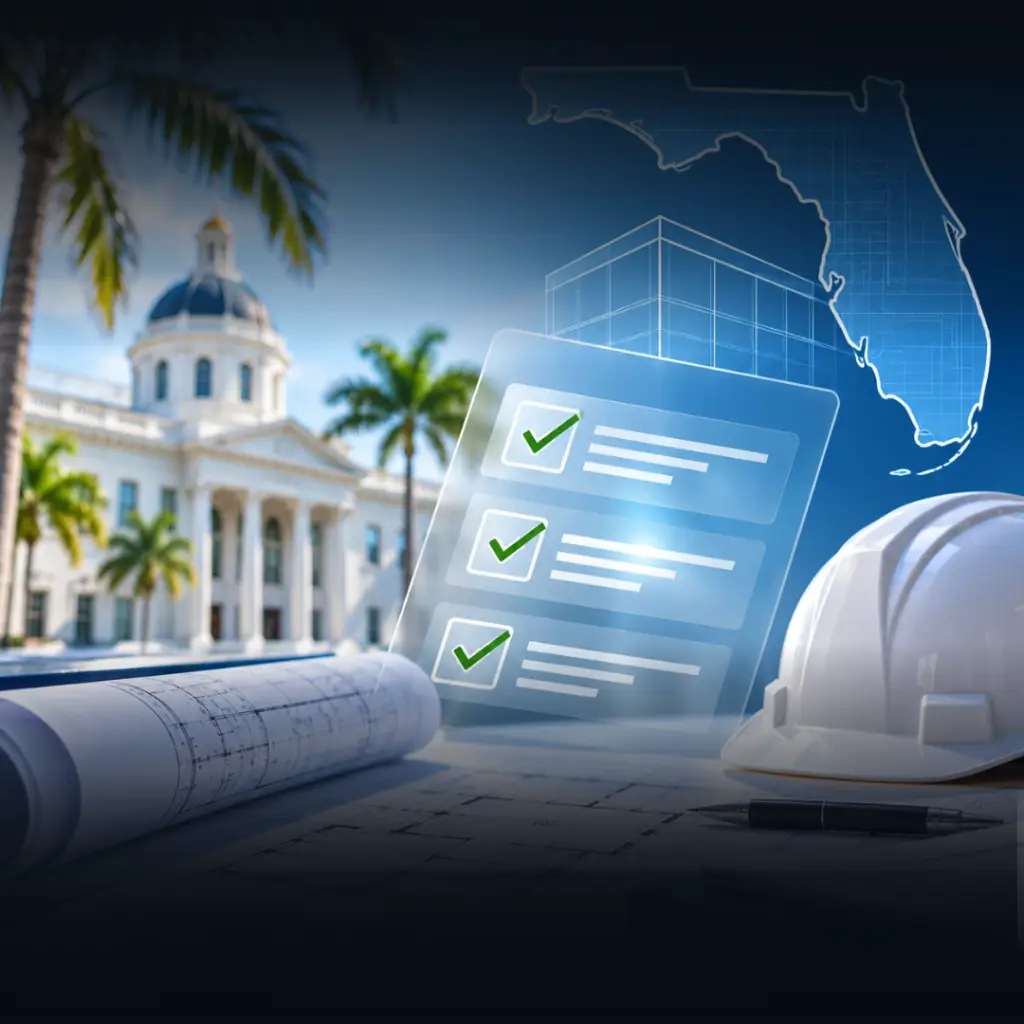
Consistency is essential when reviewing building plans across municipal permitting departments. AI code compliance software can help Florida municipalities standardize reviews by identifying potential code violations, organizing findings, and providing clear references to applicable building requirements. PlanCheckPro.AI supports this process through AI plan review, helping building departments and design professionals evaluate potential compliance issues more efficiently. Why Standardized Florida Building Code Reviews Matter Municipal permitting departments review projects ranging from residential renovations to complex commercial developments. With multiple reviewers, disciplines, and project types involved, maintaining consistent documentation can be challenging. Standardized reviews help departments communicate requirements clearly, reduce conflicting comments, and provide applicants with a more predictable permitting experience. Florida’s building regulations also evolve. The Florida Building Code, 8th Edition (2023), remains effective as of November 2026, while the 9th Edition (2026) is scheduled to take effect December 31, 2026. This transition makes verifying the applicable code edition especially important. What Should Municipalities Look for in AI Code Compliance Software? When evaluating AI plan review solutions, municipalities should consider features that support consistency across different projects and reviewers. Key considerations include: Code references: Findings should identify relevant building code provisions for professional verification. Consistent reporting: Standardized report formats help reviewers communicate issues more clearly. Multidisciplinary review: Architectural, structural, mechanical, electrical, and plumbing concerns should be considered. Corrective action guidance: Clear recommendations help applicants understand potential revisions. Code edition accuracy: Reviews must reflect applicable Florida Building Code requirements and local amendments. These capabilities can support a more organized review process while preserving professional oversight. How PlanCheckPro.AI Supports Florida Permitting Departments PlanCheckPro.AI provides AI-assisted building plan reviews with code citations, recommended corrective actions, and multidisciplinary reporting. For example, a municipal department reviewing a commercial renovation could use AI-generated findings to identify potential accessibility or egress concerns. Reviewers would then verify those findings against applicable requirements before issuing official comments. This approach can help create a consistent starting point for technical discussions between building officials, architects, engineers, and applicants. AI-assisted findings do not independently establish code compliance or replace the authority of municipal building officials. Frequently Asked Questions Can AI software help standardize Florida Building Code reviews? Yes. AI-assisted reporting can help organize potential compliance findings using consistent formats and code references. However, reviewers must verify the findings and applicable requirements. Does AI plan review replace municipal building officials? No. AI can support the review process, but official interpretations, regulatory responsibilities, and approvals remain subject to applicable Florida law and authorized professionals. Build a More Consistent Plan Review Process Standardized reporting and early issue identification can help Florida municipalities improve communication and coordination throughout permitting. Explore PlanCheckPro.AI to learn how AI plan review can support more consistent building code evaluations and clearer compliance reporting.
How Permitting Departments Can Compare AI Code Compliance Software for Faster Reviews
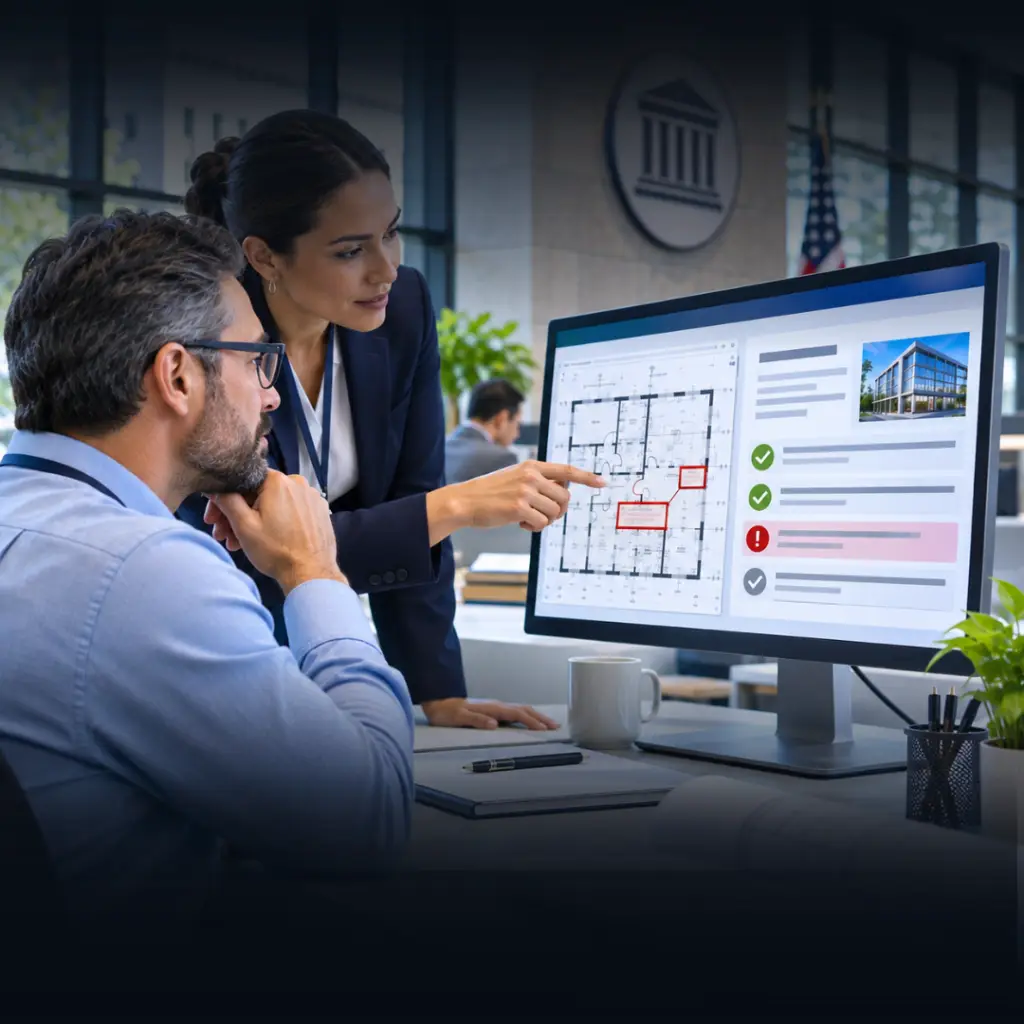
For municipal permitting departments, turnaround time is a critical factor when evaluating AI code compliance software. The right solution should help reviewers identify potential issues earlier, organize findings efficiently, and reduce repetitive manual work without compromising review quality. But faster software does not automatically mean faster permitting. The real value comes from how effectively the technology supports the entire review process. What Affects Permit Review Turnaround Time? Permitting departments handle applications with varying levels of complexity, from residential renovations to large commercial developments. Incomplete documentation, unclear code compliance comments, and repeated plan revisions can extend review timelines. AI plan review can support a more efficient process by identifying potential issues before formal submission, giving applicants and design teams an opportunity to address concerns earlier. How Should Departments Compare AI Code Compliance Software? When comparing AI code compliance solutions, municipalities should look beyond processing speed and consider how each platform supports reviewers and applicants. Key evaluation factors include: Review efficiency: How quickly can the software analyze submitted plans and generate useful findings? Report clarity: Are potential compliance issues explained clearly and supported by relevant code references? Code applicability: Can reviewers confirm that findings reflect the jurisdiction’s adopted codes and amendments? Workflow compatibility: Can the software fit into existing review and permitting procedures? Accuracy and verification: How easily can qualified reviewers evaluate findings and identify false positives? A practical approach is to test each solution using representative plan sets and compare both the time required to produce findings and the staff time needed to verify them. How PlanCheckPro.AI Supports Pre-Submission Reviews PlanCheckPro.AI provides AI plan review to help identify potential building code compliance issues before plans are submitted for permitting. Its review reports help professionals examine potential concerns and relevant code references, supporting more informed discussions between applicants, architects, engineers, and permitting teams. For example, a municipality evaluating AI-assisted review could test a commercial project to determine whether early identification of potential accessibility or egress issues helps applicants prepare more complete submissions. However, AI-generated findings still require professional verification. Official code interpretations and permit approvals remain with the authority having jurisdiction. Frequently Asked Questions Can AI code compliance software reduce permit review times? It may help reduce avoidable revisions by identifying potential issues earlier. Actual turnaround improvements depend on the department’s workflow, application complexity, and review procedures. What is the most important metric when comparing AI plan review software? Total review effort is particularly useful. Departments should consider software processing time, reviewer verification time, report accuracy, and the number of correction cycles required. Improve Your Permitting Review Process Choosing AI code compliance software involves more than comparing speed. Municipalities need solutions that support accurate reviews, clear communication, and efficient coordination. Explore PlanCheckPro.AI to learn how AI-assisted plan review can support early code compliance checks and more effective permitting workflows.
How Automated Code Compliance Reports Improve the Permitting Process
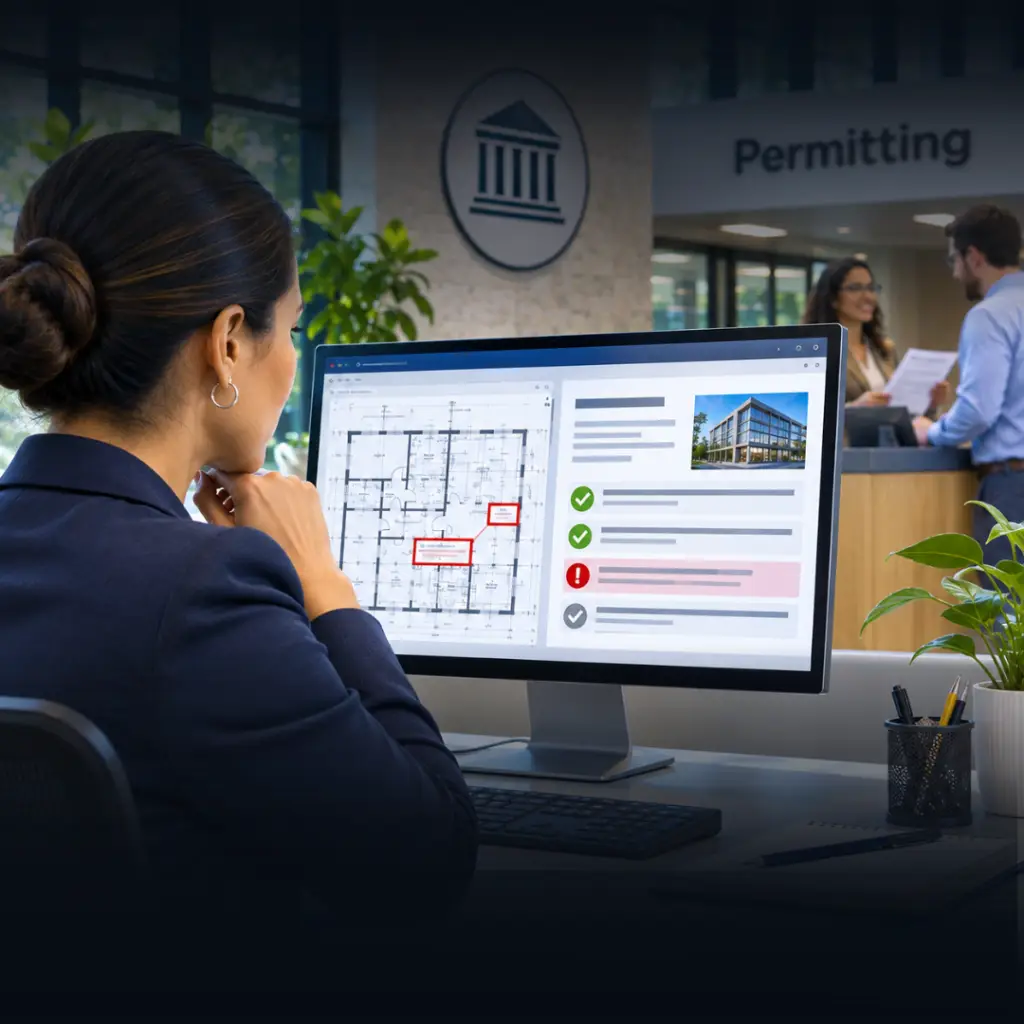
For municipal and government permitting departments, reviewing building plans is only part of the job. Communicating findings clearly to applicants, contractors, and property owners is just as important. When review comments are difficult to understand, the permitting process can become frustrating, leading to repeated submissions, additional questions, and unnecessary delays. Automated code compliance reporting software offers a more efficient approach by helping departments organize review findings and communicate them in a clear, consistent format. The Challenge of Traditional Permit Reviews Permitting departments often manage large volumes of applications, each requiring careful evaluation against applicable building codes and regulations. Traditional review processes may involve manual documentation, lengthy correction notices, and multiple rounds of communication. For applicants unfamiliar with technical building terminology, understanding exactly what needs to be corrected can be challenging. This communication gap can create additional work for permitting staff and slow down the overall approval process. Making Code Compliance Reports Easier to Understand Automated reporting tools help transform technical review findings into organized, actionable information. By presenting code-related issues in a structured format, departments can make it easier for applicants to identify what requires attention and understand the next steps. Effective citizen-facing compliance summaries should include: – Clear descriptions of issues: Explain identified compliance concerns in understandable language. – Relevant code references: Connect findings to applicable building requirements. – Actionable correction guidance: Help applicants understand what needs to be addressed. – Consistent report formatting: Make review comments easier to navigate across different applications. The result is a more transparent permitting experience for both municipal staff and the communities they serve. How PlanCheckPro Fits Into Modern Permitting Workflows PlanCheckPro brings automated code compliance reporting into the conversation around more efficient building plan reviews. For municipal permitting departments, the goal is to reduce time spent organizing technical findings and support clearer communication throughout the review process. A well-structured reporting workflow can help departments maintain consistency, communicate corrections more effectively, and support applicants as they work toward code compliance. Rather than relying on lengthy, disconnected review comments, departments can benefit from reports that make technical information easier to interpret and act upon. Building a More Efficient and Transparent Permitting Experience As permitting departments look for ways to improve service delivery, clear communication remains essential. Automated code compliance reports can help bridge the gap between technical plan reviews and the information applicants need to move forward. With solutions like PlanCheckPro, municipalities can explore a more streamlined approach to documenting compliance findings, improving communication, and supporting a more accessible permitting process. Discover how PlanCheckPro can support clearer, more efficient code compliance reporting for your permitting department.